
Invisalign vs Fixed Braces: Choosing the Best Option
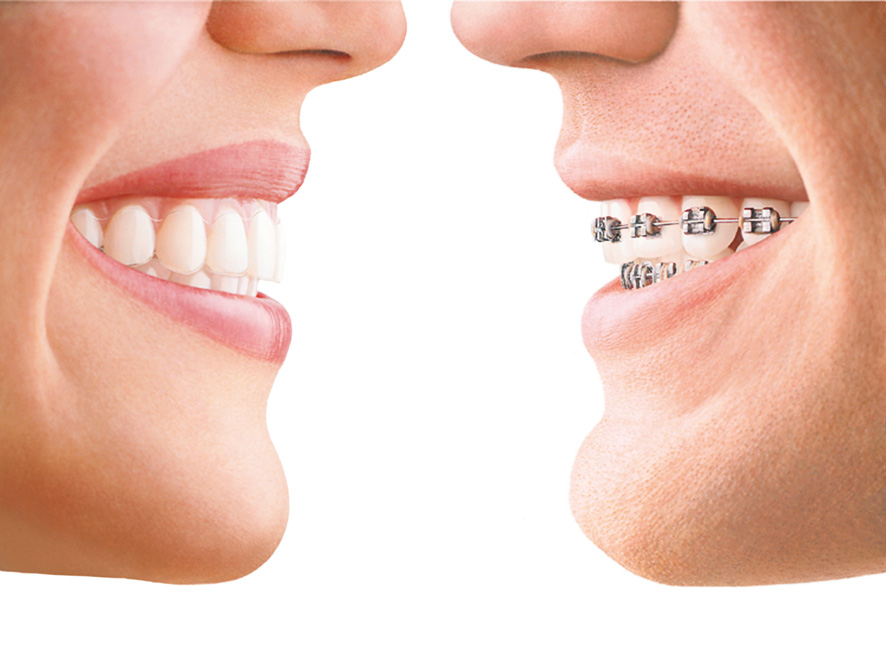
If you’re considering orthodontic treatment, one of the first decisions you’ll face is choosing between Invisalign vs fixed braces. Both are highly effective ways to straighten teeth, improve bite function, and enhance your smile — but they suit different lifestyles, preferences, and clinical needs.
At Dickens Yard Dental, we offer both options and take the time to help you choose what’s genuinely right for you. There’s no one-size-fits-all answer — it’s about understanding how each system works and how it fits into your life.
Why Straight Teeth Matter
Orthodontic treatment isn’t just about aesthetics. Straighter teeth are:
- Easier to clean and maintain
- Less prone to decay and gum disease
- More evenly loaded when biting and chewing
- More comfortable for the jaw joints
- Often more confident and natural-looking
Correcting alignment can prevent long-term problems while improving both function and appearance.
What Is Invisalign?
Invisalign uses a series of clear, removable aligners to gently move teeth into position over time. Each aligner is custom-made and worn for around 1–2 weeks before moving on to the next.
Key features include:
- Virtually invisible appearance
- Removable for eating and cleaning
- Digitally planned treatment
- Gradual, controlled tooth movement
Invisalign is particularly popular with adults and professionals who want a discreet option.
What Are Fixed Braces?
Fixed braces consist of brackets bonded to the teeth and connected by wires. These are adjusted regularly to guide teeth into their ideal positions.
Modern fixed braces are more comfortable and efficient than ever, and can include:
- Metal braces
- Ceramic (tooth-coloured) braces
Fixed braces are a reliable option for both teens and adults, especially in more complex cases.
Appearance and Lifestyle Considerations
For many patients, appearance plays a big role in their decision on Invisalign vs fixed braces.
Invisalign:
- Clear and discreet
- Ideal for professional and social settings
- No visible brackets or wires
Fixed braces:
- More noticeable
- Ceramic braces can be more subtle
- A visible sign of treatment in progress
Lifestyle matters too. Invisalign aligners must be worn for 22 hours a day to be effective. Fixed braces work continuously without needing patient compliance.
Comfort and Adjustment
Both systems involve some pressure as teeth move, but the experience differs.
Invisalign:
- Smooth plastic aligners
- Generally fewer mouth irritations
- Pressure typically lasts a few days after switching aligners
Fixed braces:
- May cause initial irritation from brackets and wires
- Adjustments can lead to short-term soreness
- Wax and modern materials help improve comfort
Most patients adapt quickly to either option.
Eating and Oral Hygiene
Oral hygiene is critical during orthodontic treatment.
Invisalign:
- Remove aligners to eat
- No food restrictions
- Easy brushing and flossing
Fixed braces:
- Certain foods should be avoided (sticky, hard, chewy)
- Brushing takes more time and care
- Interdental brushes and specialist tools are essential
If convenience and ease of cleaning are priorities, Invisalign often has the edge.
Effectiveness and Complexity
Both Invisalign and fixed braces are highly effective when used appropriately.
Invisalign works best for:
- Mild to moderate crowding or spacing
- Relapse after previous orthodontics
- Patients who can commit to wearing aligners as directed
Fixed braces are often preferred for:
- Complex bite issues
- Significant rotations or vertical movements
- Younger patients or those who may struggle with compliance
Your dentist or orthodontist will advise which option is best based on your specific needs.
Treatment Time and Appointments
Treatment length varies depending on complexity, but both options are similar overall.
- Invisalign typically ranges from 6–18 months
- Fixed braces often range from 12–24 months
Invisalign appointments are usually quicker and less frequent, while fixed braces require regular adjustments.
Cost Considerations
Costs vary depending on treatment complexity and duration. Invisalign is often slightly more expensive due to advanced digital planning and custom aligners, but both options represent a valuable investment in your long-term oral health.
We’ll always provide transparent pricing and discuss options openly.
Invisalign vs Fixed Braces – Which Option Is Right for You?
The best choice depends on:
- Your dental needs
- Lifestyle and daily routine
- Aesthetic preferences
- Willingness to wear aligners consistently
At Dickens Yard Dental, we’ll guide you through the decision with honest advice — no pressure, just clarity.
More here:
Invisalign – https://www.invisalign.co.uk/
British Orthodontic Society – https://bos.org.uk/patients/treatments/orthodontics-for-adults/everything-you-need-to-know-before-having-your-teeth-straightened/
Final Thoughts
Both Invisalign and fixed braces are proven, effective orthodontic treatments. The right option is the one that fits your teeth, lifestyle, and goals.
At Dickens Yard Dental, we focus on tailored treatment planning, modern technology, and supportive care to ensure your orthodontic journey is comfortable, effective, and confidence-boosting — whichever path you choose. If you would like to book a consultation with us, please click here – https://www.dickensyarddental.com/invisalign/